

Compliance That Fits SAP ECC Users
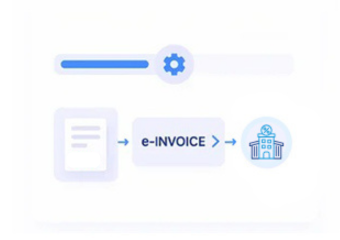
How SAP ECC Data Flows Through Advintek
- Transaction Collection: Advintek collects relevant SAP ECC transaction information from established business processes for electronic invoice preparation.
- Field Preparation: Selected ERP fields are organized into structured information required for Japanese electronic invoice processing workflows.
- Validation Controls: Invoice records undergo validation checks covering completeness, tax details, consistency, and document attributes before processing.
- Document Formatting: Validated transaction information is formatted into structured electronic documents for subsequent Japanese invoice processing activities.
- Workflow Routing: Prepared documents follow connected workflows while retaining references to originating SAP ECC business transactions enterprise-wide.
- Record Tracking: Processed invoice information remains associated with relevant ERP records for finance review and reconciliation activities.
What Advintek Links Within SAP ECC Processes
Advintek connects SAP ECC commercial information with Japanese invoice processing, preserving relationships between operational documents and financial records across established enterprise workflows.
- Link sales orders with billing documents
- Match deliveries against customer invoice quantities
- Coordinate suppliers with purchase invoice records
- Reference accounting documents during financial reconciliation
Why SAP ECC Users Choose Advintek
- Reduced Manual Entry: Automated processing reduces repeated entry when finance teams create invoices from established SAP ECC transactions.
- Consistent Information: Connected workflows help maintain consistent customer, tax, billing, and accounting information throughout invoice processing efficiently.
- Financial Visibility: Finance teams can review electronic invoice activity alongside originating SAP ECC commercial and financial records.
- Earlier Validation: Validation controls can identify incomplete information before documents progress through subsequent electronic processing stages effectively.
- Reconciliation Support: Linked ERP references help compare invoiced activity with corresponding sales, purchasing, and accounting transactions accurately.
- Scalable Processing: Repeatable workflows support varied invoice volumes while aligning electronic processing with established SAP ECC operations.
Everything You Need for Japan E-Invoicing in One Place
Archive Support
Processed invoice information can remain organized for later financial review and document reference needs.
Exception Controls
Exception records can help finance teams investigate incomplete or rejected invoice information within workflows.
Output Handling
Structured output handling supports consistent e-document preparation from applicable SAP ECC transaction records.
SAP ECC Operations Across Japanese Businesses
SAP ECC users can connect sales, procurement, delivery, and accounting activities with Japanese E-invoicing through Advintek workflows, supporting connected financial document handling across established enterprise processes.
- Review rejected invoices within finance workflows
- Compare billing against delivery information
- Coordinate tax records with invoice data
- Trace documents through SAP ECC records
Start Structured ERP Invoice Processing
Connect SAP ECC data with Japan-ready e-invoicing workflows through Advintek.
Start structured invoice processing across SAP ECC operations.
Ready e-Invoice System
Frequently Asked Questions SAP ECC E-Invoicing Japan
How can SAP ECC IDoc data support electronic invoicing?
SAP ECC IDocs can carry structured business information between applications and internal processes, depending on the configured integration landscape. Relevant billing, customer, delivery, or accounting information can be used within connected e-invoicing workflows. Advintek can process applicable ERP data while preserving important references needed for Japanese electronic invoice preparation and review aligned with NTA requirements.
What role does SAP ECC output determination play in invoice processing?
Output determination can control how billing documents generate or route relevant outputs within SAP ECC based on configured business conditions. Advintek can work with applicable billing information produced through established ECC processes, helping organizations prepare structured electronic invoice documents while maintaining the connection between invoice output and its originating ERP transaction.
Can SAP ECC company codes support Japanese invoice workflows?
Company codes define important organizational and accounting boundaries within SAP ECC. When businesses operate multiple entities, relevant company code information can help identify the organization associated with a transaction and its financial records. Advintek can incorporate applicable organizational information into connected Japanese e-invoicing workflows for appropriate document processing.
How can SAP ECC vendor invoices fit connected procurement workflows?
Vendor invoices can be associated with purchasing documents, suppliers, goods receipts, and accounting information within SAP ECC. Advintek can connect applicable procurement records with electronic invoice processes, helping organizations maintain relationships between supplier transactions and financial documents while supporting structured processing across accounts payable activities and related ERP workflows.
Can SAP ECC billing types influence electronic invoice processing?
SAP ECC billing types can distinguish different commercial billing scenarios within established sales and finance processes. Relevant billing-type information can help determine how transactions should proceed through connected workflows. Advintek can use applicable billing information when preparing Japanese electronic invoices, allowing businesses to preserve distinctions between different originating SAP ECC billing activities.