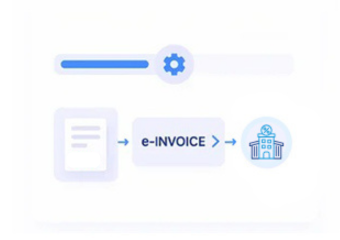


Japan E-Invoicing Software with NTA Tax Compliance Support

NetSuite ERP for Japan
Get Started Manage Core Operations with Connected ERP
Advintek supports Oracle NetSuite for Japanese businesses, with ERP planning that can consider Japan’s Tax Authority and JP PINT where relevant.
Powerful features

Compliance That Fits NetSuite Users

Affordable pricing for SMEs

Simple, Transparent Pricing

Starting from as low as

RM 20

How Oracle NetSuite Supports Business Processes in Japan

  • Operational Discovery: Review departments, transactions, reporting needs, and existing workflows to define the appropriate NetSuite scope for Japanese business operations.
  • System Design: Structure financial, sales, procurement, inventory, CRM, and operational functions according to documented requirements and organizational responsibilities.
  • Information Migration: Prepare relevant customer, supplier, item, financial, and transaction records for controlled transfer into configured NetSuite environments.
  • Process Verification: Validate transactions, approvals, records, reports, and user activities to confirm configured processes work as intended before launch.
  • Post-Launch Guidance: Provide practical assistance for users, configuration updates, issue resolution, and ongoing NetSuite administration after deployment.

Bringing Oracle NetSuite into Japanese Business Systems

Advintek helps organizations plan NetSuite integration across financial, operational, sales, procurement, and administrative workflows, maintaining data relationships and supporting NTA-related Japan e-invoicing requirements.

SAP S/4HANA einvoice, SAP S/4HANA einvoicing, UAE SAP S/4HANA einvoice
sap e invoicing for compliance sap einvoicing sap einvoice

Business Outcomes from Oracle NetSuite in Japan

  • Reduced Record Duplication: Structured NetSuite processes can reduce repeated entry of business information across finance, sales, purchasing, and operational activities.
  • Consistent Financial Records: Accounting transactions and related financial information can follow defined structures for reporting and management review.
  • Better Transaction Traceability: Connected records can help teams follow relationships between orders, customers, suppliers, inventory, and financial transactions.
  • Organized Management Information: Configured dashboards and reports can present business information according to the reporting needs established during implementation.
  • Coordinated Business Activities: NetSuite can bring selected financial and operational processes into related workflows based on the organization’s implementation scope.
  • Accessible Cloud ERP Operations: Cloud-based NetSuite access can support authorized users working with configured business records across relevant organizational activities.
Powerful features

Oracle NetSuite Services for Japanese Organizations

Heading (48)

Oracle NetSuite Applications in Japanese Enterprises

Organizations in Japan can apply NetSuite across business functions based on their operating model, system landscape, process requirements, and implementation scope, supporting finance, sales, purchasing, inventory and administrative activities.

Align NetSuite with Japan Business Requirements

Business Requirements Should Shape ERP Workflows

Managing NetSuite workflows around finance, sales, procurement, inventory, and reporting needs.

Configured for Oracle NetSuite Japan. Supported by Advintek.

Ready e-Invoice System

0 % NTA

Frequently Asked Questions NetSuite E-Invoicing Japan

What is Oracle NetSuite, and how can it support businesses in Japan?

Oracle NetSuite is a cloud ERP platform that can support finance, accounting, purchasing, inventory, sales, CRM, reporting, and other business processes. NetSuite Japan includes localized capabilities for Japanese business requirements, while organizations can configure additional workflows, integrations, and roles according to their operating structure.

Yes. NetSuite Japan includes accounting capabilities designed for Japanese business practices, including Japan-specific accounting periods, localized preferences, and reporting functions. The Japan edition also provides Japanese account structures when a Japanese subsidiary is created in NetSuite OneWorld, helping organizations establish an appropriate accounting foundation.

Yes. NetSuite Japan supports Japanese as a user interface language, and users can configure Japanese language preferences within their accounts. Organizations can also use multiple languages where required, making NetSuite suitable for businesses that need Japanese users to work alongside international teams or multilingual operations.

NetSuite OneWorld can support organizations with multiple legal entities and subsidiaries, including Japanese entities within a broader international structure. Subsidiaries can have their own country-specific NetSuite edition, currency, tax settings, and accounting configuration while participating in consolidated business structures across the organization.

A NetSuite implementation in Japan typically begins with business requirements, current systems, data structures, user roles, and process priorities. The implementation approach can then cover configuration, localization, integrations, data migration, testing, user training, and ongoing support based on the organization’s operational scope and deployment requirements.