

Japan E-Invoicing Software with NTA Tax Compliance Support

Affinity CRM Meets Japan Invoicing
Get Started Structured Billing for Client Operations
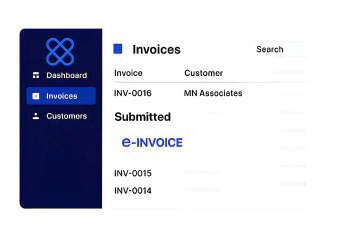
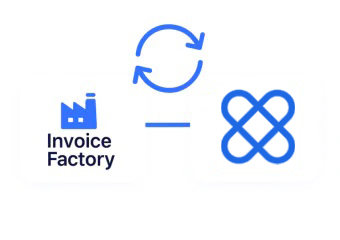
Advintek connects Affinity CRM customer data with Japan e-invoicing workflows, supporting structured processing, validation, and coordinated financial operations.
Powerful features

Japan E-Invoicing Across Affinity CRM Processes

Affordable pricing for SMEs

Simple, Transparent Pricing

Starting from as low as

RM 20

How Affinity CRM Connects with Advintek

  • CRM Record Identification: Advintek reads selected Affinity CRM records and identifies transactions requiring Japanese electronic invoice processing.
  • Customer Billing Information: Relevant customer information is checked before billing details enter the structured document preparation workflow.
  • Commercial Transaction Classification: Commercial transaction data is organized with applicable tax and invoice attributes for compliance validation.
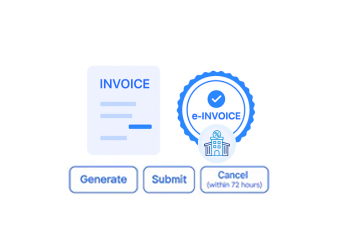
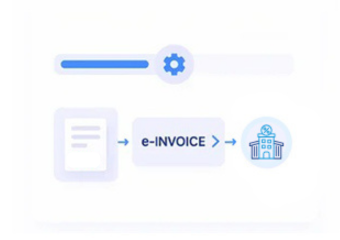
  • Structured Invoice Preparation: * Validated information is converted into structured invoice content suitable for connected Japan invoicing processes aligned with NTA requirements.
  • Source Reference Tracking: Processed documents retain source references that help teams trace invoices back to CRM transactions.
  • Financial Record Linking: Invoice outcomes are linked with relevant financial records for subsequent reconciliation and account review.

What Advintek Links Within Affinity CRM

Advintek links Affinity CRM customer, sales, service, and account information with structured invoice processing, helping finance teams preserve source context while managing Japan E-documents efficiently and consistently.

What Does Advintek’s Affinity CRM Connector Actually Do?
sap e invoicing for compliance sap einvoicing sap einvoice

Benefits of Advintek for Affinity CRM

  • Reduced Data Duplication: Connected customer records reduce duplicate entry while supporting consistent information across invoice preparation activities.
  • Clearer Billing Visibility: Structured workflows give finance teams clearer visibility into customer billing information and document status.
  • Consistent Invoice Content: Validated invoice content helps reduce inconsistencies between Affinity CRM records and electronic invoice documents.
  • Reliable Source Traceability: Source references support efficient investigation when billing information requires clarification, adjustment, or correction.
  • Coordinated Process Management: Centralized processing coordinates sales information with downstream accounting and electronic invoicing activities effectively and reliably.
  • Stronger Financial Review: Connected financial references strengthen review processes across customer transactions and electronic invoice records consistently.
Powerful features

Affinity CRM Tools for Japan E-Invoicing

built for private capital

Supporting Affinity CRM Users in Japan

Businesses using Affinity CRM can coordinate customer management, sales activity, service information, and finance references through structured Japanese invoicing workflows while maintaining established ERP processes across operations.

Enable Affinity CRM for Japan

Strengthen Your Qualified Invoice Process

Connect Affinity CRM records with Japan-ready e-invoicing workflows through Advintek.

Start structured invoice processing across your CRM.

Ready e-Invoice System

0 % NTA

Frequently Asked Questions Affinity CRM E-Invoicing Japan

Which Affinity CRM account fields can support Japan invoice preparation?

Affinity CRM account information can provide useful billing references such as customer names, organizational details, addresses, account relationships, and other configured fields. Relevant information can be selected for electronic invoice preparation through Advintek. This helps businesses maintain consistency between customer records and structured invoice documents while reducing repeated manual entry during Japanese invoicing workflows.

Sales opportunities can contain commercial information that helps identify transactions progressing toward customer billing. Depending on the organization’s Affinity CRM configuration, opportunity details may provide references for customers, services, products, or agreed commercial activity. Advintek can use applicable source information when preparing structured invoice workflows, while preserving the relationship with originating CRM records.

Service records can document activities, engagements, or delivered work associated with customer relationships. Where those activities form part of a billable transaction, relevant information can contribute to invoice preparation. Advintek can connect applicable service information with structured Japanese invoice workflows, allowing finance teams to retain useful operational context when reviewing customer billing documents.

Contact records can contain recipient names, communication details, organizational associations, and other information used during customer billing. Businesses should review the fields relevant to their invoice process and ensure they correspond with appropriate account records. Advintek can incorporate applicable CRM information into structured invoice workflows, helping maintain consistency between customer data and generated documents.

Custom fields can contain organization-specific information used to classify customers, transactions, services, or internal billing requirements. When relevant fields are part of the configured invoicing workflow, Advintek can use applicable data during invoice preparation and validation. This allows businesses to retain useful CRM-specific information without restructuring established customer management processes for Japan electronic invoicing.