

Compliance That Fits Affinity Legal ERP Users
Inside the Dye & Durham Affinity and Advintek Workflow
- Billing Data Capture: Advintek receives selected Dye & Durham Affinity billing information and organizes relevant fields for Japanese invoice processing workflows.
- Client Matter Mapping: Client and matter information is mapped into applicable invoice fields before structured processing begins.
- Service Detail Structuring: Services, quantities, rates, and billing details are organized for consistent e-invoice preparation processes.
- Tax Detail Preservation: Relevant consumption tax information remains associated with billing values during invoice preparation and validation.
- Invoice Record Creation: Validated billing information becomes structured invoice records for delivery, storage, and connected financial processing.
- Financial Record Coordination: Processed invoice records can connect with Dye & Durham Affinity accounting workflows for reconciliation and financial management.
Inside the Advintek Dye & Durham Affinity Connection
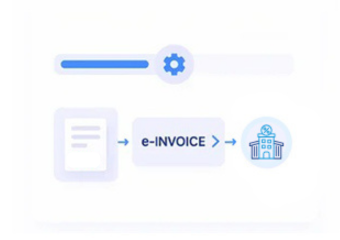
Advintek connects Dye & Durham Affinity legal practice information with Japanese e-invoicing workflows, coordinating client, matter, billing, tax, and financial records through structured processing.
- Maps Affinity billing into invoice workflows
- Connects matter information with invoice records
- Coordinates client details across financial systems
- Supports reconciliation between invoices and ERP
What Dye & Durham Affinity Businesses Gain from Advintek
- Centralized Billing Data: Connect Dye & Durham Affinity billing information with invoicing and accounting processes through coordinated financial data pathways.
- Reduced Manual Handling: Reduce repeated data handling between Dye & Durham Affinity, invoice processing, and finance teams during daily operations.
- Consistent Financial Records: Maintain consistent client, matter, service, tax, and transaction information across connected business processes consistently.
- Stronger ERP Reconciliation: Give finance teams structured invoice records supporting reconciliation against Affinity billing and accounting information efficiently.
- Controlled Billing Adjustments: Coordinate billing corrections, credit information, and transaction changes across related Dye & Durham Affinity financial workflows effectively.
- Improved Financial Visibility: Create clearer relationships between Dye & Durham Affinity transactions, invoices, and financial reporting activities for management teams.
Everything You Need for Japan E-Invoicing in One Place
Billing Field Mapping
Map Affinity billing fields into structured Japanese invoice records for controlled downstream processing workflows.
Invoice Reference Matching
Match invoice references with Affinity transactions to support organized accounting reconciliation activities efficiently.
Compliance Data Review
Organize essential invoice information before records enter connected financial and accounting workflows systems safely.
Supporting Japanese Businesses Using Dye & Durham Affinity
Dye & Durham Affinity can connect legal practice, client, matter, billing, and financial information with structured Japanese e-invoicing processes through coordinated ERP workflows aligned with NTA requirements.
- Coordinate matter records with accounting systems
- Link billing activities with invoice references
- Support centralized reporting across legal operations
- Organize adjustments within connected financial management workflows
Japan E-Invoicing with Affinity Data Integration Hub
Coordinate legal billing with structured Japanese invoice processing
Connect Dye & Durham Affinity data across financial systems
Ready e-Invoice System
Frequently Asked Questions Affinity Legal ERP E-Invoicing Japan
How does Dye & Durham Affinity matter data support ERP e-invoicing workflows?
Dye & Durham Affinity can provide matter-related billing information that becomes relevant when professional service transactions enter an electronic invoicing process. Advintek can organize client, matter, service, billing, and tax information before connecting it with financial systems. This creates a structured pathway between legal practice records, Japanese invoice documentation, and ERP accounting processes.
What Dye & Durham Affinity billing information can an ERP use for invoice processing?
Relevant information may include client details, matter references, service descriptions, quantities, billing rates, transaction values, tax information, and invoice references. Advintek can organize applicable fields before they continue into connected financial workflows. This allows ERP systems to work with structured information originating from Dye & Durham Affinity rather than requiring repeated manual reconstruction.
Can Dye & Durham Affinity invoices be matched with ERP accounting records?
Processed invoice information can retain references associated with originating Dye & Durham Affinity billing records, allowing finance teams to compare invoices with corresponding ERP information. Client identifiers, matter references, billing values, tax details, and invoice numbers can support reconciliation activities. This helps establish a clearer relationship between professional service billing and centralized financial records.
How can Dye & Durham Affinity support credit adjustments in ERP workflows?
Professional service billing may require corrections, credits, or other adjustments after an original transaction has been recorded. Advintek can organize adjustment information alongside the related Dye & Durham Affinity billing context before connected processing. This helps financial teams maintain relationships between original records, revised invoice information, and ERP accounting entries throughout the adjustment workflow.
Can Dye & Durham Affinity data support centralized financial reporting across practices?
Dye & Durham Affinity information can feed a connected e-invoicing and ERP workflow where relevant client, matter, billing, tax, and invoice records are organized consistently. Financial teams can then use processed information within broader accounting and reporting processes. This structure helps connect practice-level activity with centralized financial information without requiring separate invoice handling for every workflow.