

Compliance Built for EnterpriseOne Financial Systems
Ways to Implement Oracle JD Edwards EnterpriseOne in Japan
- Operational Scope Definition: Identify priority departments, business activities, system dependencies, user requirements, and expected EnterpriseOne outcomes.
- Module and Process Mapping: Select applicable EnterpriseOne modules and align workflows, roles, controls, and transactions with established business processes.
- Information and Data Setup: Review master records, transaction data, structures, and required information before preparing the implementation environment.
- Process Validation and Training: Validate configured workflows through business scenarios and prepare users to work with relevant EnterpriseOne functions.
- Go-Live and Application Support: Complete deployment activities, review operational results, and provide continued administration, maintenance, and application support.
EnterpriseOne Interoperability with Business Applications in Japan
Advintek can help organizations plan JD Edwards integration with relevant business applications, linking selected financial, operational, manufacturing, procurement, sales, and inventory information across defined system workflows.
- Connect customer and sales records with related applications
- Exchange supplier and purchasing data across connected systems
- Link inventory and distribution records with business applications
- Coordinate financial data with reporting and operational tools
Why EnterpriseOne Users Choose Advintek
- Organized Financial Administration: EnterpriseOne structures accounting records, financial transactions, and reporting activities around defined organizational processes and responsibilities.
- Consistent Transaction Handling: Purchasing, sales, inventory, manufacturing, and financial records can follow configured transaction processes across business functions.
- Connected Enterprise Records: EnterpriseOne maintains relationships between operational transactions and associated financial or commercial records.
- Structured Management Reporting: Reporting capabilities present selected business information according to management, departmental, and operational reporting requirements.
- Coordinated Supply Activities: Procurement, inventory, manufacturing, sales, and distribution processes can operate through related EnterpriseOne functions.
- Complex Organization Support: EnterpriseOne configurations can address multi-company, multi-currency, and organizational structures based on defined business requirements.
JD Edwards EnterpriseOne Services for Businesses in Japan
EnterpriseOne Advisory Services
Review operational priorities, system needs, and EnterpriseOne requirements to define an appropriate service approach.
EnterpriseOne Deployment Services
Configure selected modules, workflows, roles, and processes according to established functional requirements.
EnterpriseOne Technical Services
Address integrations, application issues, maintenance activities, and ongoing EnterpriseOne administration requirements.
EnterpriseOne Adoption Among Japanese Businesses
Organizations in Japan can use JD Edwards EnterpriseOne across finance, procurement, inventory, manufacturing, sales, and distribution, depending on industry requirements, organizational structure, selected modules, business processes, and implementation scope.
- Manage manufacturing processes with related enterprise records
- Coordinate distribution activities across orders and inventory
- Organize procurement information through defined purchasing workflows
- Support finance across multiple companies and operations
Business Functions Need Practical ERP Coordination
Establish EnterpriseOne workflows around financial, operational, supply chain, and reporting needs.
Tailored to Japan EnterpriseOne operations. Supported by Advintek.
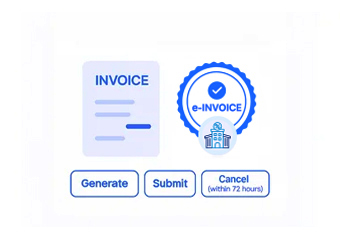
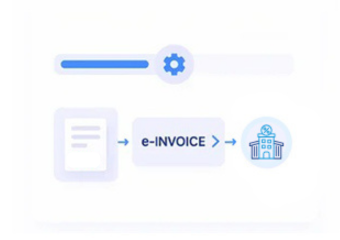
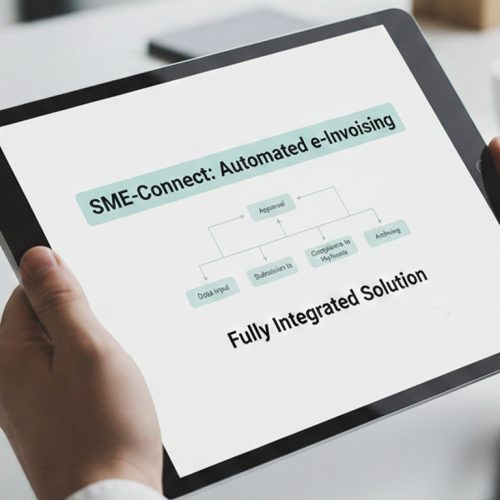
Ready e-Invoice System
Frequently Asked Questions EnterpriseOne e-Invoicing Japan
What is Oracle JD Edwards EnterpriseOne in Japan?
Oracle JD Edwards EnterpriseOne is an ERP platform that can help organizations in Japan manage financial management, procurement, inventory, manufacturing, sales, distribution, projects, and other business activities. Its functionality can be configured according to organizational requirements, selected modules, operating structures, and specific enterprise processes.
What business functions can JD Edwards EnterpriseOne manage?
JD Edwards EnterpriseOne can support a broad range of business functions, including general accounting, accounts payable, accounts receivable, procurement, inventory management, manufacturing, sales order processing, distribution, asset management, project-related activities, and reporting. The available functions depend on the modules, configuration, and business processes adopted by each organization.
Is JD Edwards EnterpriseOne suitable for manufacturing businesses in Japan?
JD Edwards EnterpriseOne can support manufacturing organizations with functions covering product information, bills of material, work orders, production activities, costing, procurement, inventory, and distribution. Businesses can configure relevant capabilities around their manufacturing processes, organizational requirements, production model, and selected EnterpriseOne modules.
What does JD Edwards EnterpriseOne implementation in Japan involve?
JD Edwards EnterpriseOne implementation can involve several stages, including business requirements assessment, functional scope definition, module selection, process mapping, configuration, data preparation, integration planning, testing, user training, deployment, and post-go-live support. The implementation approach varies according to existing applications, operational requirements, organizational structure, and project scope.
Can JD Edwards EnterpriseOne integrate with other business systems?
Yes, JD Edwards EnterpriseOne can connect with other business applications through suitable integration methods based on the organization’s technology environment. Integration requirements may include financial applications, customer systems, procurement tools, inventory platforms, reporting applications, manufacturing solutions, and other systems that exchange relevant business information.