

Compliance Built for Power Apps Business Operations
Microsoft Power Apps Development Process for Japan
- Requirements Assessment: Review business processes, user roles, application needs, data requirements, and relevant Japan-specific workflow considerations.
- Solution Architecture: Define application screens, data structures, permissions, integrations, workflows, and functional requirements for the planned solution.
- Application Development: Build Power Apps using suitable components, connectors, data sources, and configured business logic.
- Validation and Launch: Test functionality, user access, data handling, workflows, and integrations before controlled deployment.
- Ongoing Application Support: Assist with troubleshooting, updates, configuration changes, user requirements, and application maintenance after deployment.
Microsoft Power Apps Integration for Japan
Microsoft Power Apps integration can connect business applications with relevant Microsoft services, data sources, and external systems. The appropriate integration approach depends on application requirements, supported connectors, data structures, and the systems involved.
- Connect Power Apps with Microsoft cloud services
- Link applications with structured business data sources
- Integrate workflows with suitable automation services
- Exchange application data with reporting platforms
Why Power Apps Users Choose Advintek
- Low-Code Application Development: Build business applications with low-code tools for department-specific requirements, forms, approvals, data entry, and operational tasks.
- Department Process Support: Create applications around defined workflows for finance, sales, service, administration, procurement, and other business functions.
- Flexible Data Handling: Connect applications with suitable data sources to collect, update, display, and manage business information.
- Microsoft Ecosystem Connectivity: Work with Microsoft services and supported connectors to exchange information across configured business applications.
- Application Access Control: Configure user access according to roles, responsibilities, application requirements, and business information needs.
- Adaptable Business Applications: Modify application features, workflows, forms, and data structures as organizational requirements change across Japanese business operations.
Microsoft Power Apps Services for Japan
Application Strategy Consulting
Assess business needs and define suitable Power Apps approaches.
Application Build Services
Design, develop, test, and deploy applications around defined requirements.
Integration Support Services
Support connectivity, troubleshooting, maintenance, and application configuration needs.
Microsoft Power Apps Use Cases for Japan Businesses
Japanese organizations can use Power Apps to create focused applications for departments, teams, and operational workflows, supporting structured data collection and business process management.
- Manages employee requests, approvals, and internal submissions.
- Tracks customer details, sales activities, and follow-ups.
- Monitors assets, inventory, activities, and operational requests.
- Supports finance, administration, service, and field operations.
Adapt Power Apps to Your Japanese Workflows
Develop applications around processes, data, approvals, and departmental requirements.
Built with Power Apps. Designed for Japan.
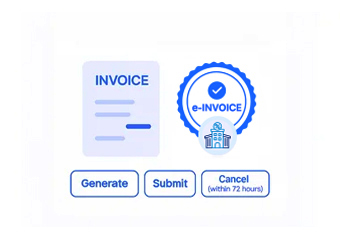
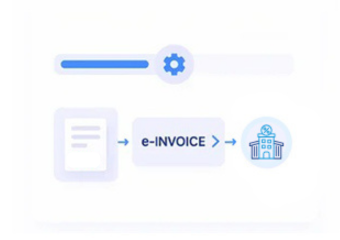
Ready e-Invoice System
Frequently Asked Questions Power Apps e-Invoicing Japan
What are Microsoft Power Apps for businesses in Japan?
Microsoft Power Apps enables businesses in Japan to create custom applications for internal processes, data collection, approvals, customer management, operational tracking, and departmental workflows. Organizations can develop applications around their existing business requirements using low-code development capabilities and suitable Microsoft services.
How can Power Apps support Japanese business operations?
Power Apps can support Japanese businesses by creating applications for sales, finance, administration, service, procurement, field activities, employee requests, and operational records. Applications can be configured around specific workflows, user roles, data requirements, approval processes, and the systems used within each organization.
Can Microsoft Power Apps integrate with existing business systems in Japan?
Yes. Power Apps can connect with supported Microsoft services, data sources, and external business systems through available connectors and integration approaches. The appropriate configuration depends on the systems involved, data structures, access requirements, application objectives, and the integration capabilities available for the selected environment.
What Microsoft Power Apps services does Advintek provide in Japan?
Advintek provides Power Apps consulting, application development, implementation, integration, and support services for organizations in Japan. Services can cover requirements assessment, application design, workflow configuration, development, testing, deployment, troubleshooting, maintenance, and changes based on evolving business and departmental requirements.
Can Power Apps applications be customized for Japanese companies?
Yes. Power Apps applications can be customized around the specific processes and information requirements of Japanese companies. Organizations can define application screens, forms, workflows, user roles, data sources, approvals, integrations, and business functions according to their operational requirements and selected Microsoft environment.