

Compliance That Fits Microsoft Dynamics 365 Field Service Users
How Advintek Processes Microsoft Dynamics 365 Field Service Data
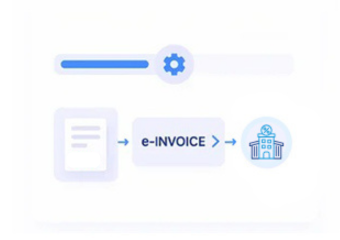
- Work Order Capture: Advintek selects relevant work order information required for accurate Japanese electronic invoice preparation and processing workflows.
- Service Data Review: Service records undergo detailed review to confirm customer, activity, equipment, billing, and related transaction information.
- Charge Classification: Applicable service charges are organized according to available transaction, pricing, and tax-related source information.
- Invoice Content Assembly: Validated Field Service records are arranged into structured invoice content for Japan electronic invoice processing and document generation.
- Completion Verification: Completed service information is carefully checked against source records before invoice documents continue through subsequent processing and review activities.
- Financial Reference Linking: Processed invoices retain relevant service references for accounting review, financial reconciliation, and subsequent transaction verification activities.
What Advintek Connects Across Microsoft Dynamics 365 Field Service
Advintek connects service execution information with structured invoicing, allowing finance teams to retain work order context while processing Japanese electronic documents across customer service operations.
- Link work orders with customer billing
- Associate technicians with completed service
- Match equipment records with service invoices
- Reference used parts during billing
Practical Value Across Microsoft Dynamics 365 Field Service
- Service Billing Visibility: Connected workflows provide clearer visibility into service transactions progressing from field completion toward customer invoicing.
- Accurate Work Records: Structured processing helps preserve relevant work order information throughout electronic invoice preparation and review.
- Contract Billing Clarity: Contract references help distinguish included services from activities requiring separate customer billing processes.
- Equipment Traceability: Asset references provide useful context when reviewing invoices associated with specific serviced equipment records.
- Parts Billing Control: Connected parts information supports review of materials included within service-related customer invoice transactions.
- Financial Service Context: Linked service records provide finance teams with operational context during invoice review and reconciliation.
Microsoft Dynamics 365 Field Service Tools for Japan E-Invoicing
Service Completion Tracking
Track completed service records and relate applicable activities to corresponding electronic invoice processing.
Contract Reference Management
Manage service agreement references alongside customer billing information during structured invoice preparation.
Asset Billing References
Maintain equipment identifiers that support invoice investigation and service transaction traceability across Field Service.
Built for Microsoft Dynamics 365 Field Service Users Japan
Microsoft Dynamics 365 Field Service users can connect work orders, service activities, equipment, contracts, and parts information with Japan e-invoicing workflows through Advintek, supporting NTA-aligned processing.
- Review completed work before invoicing
- Verify contract coverage against services
- Trace equipment through billing records
- Investigate parts-related invoice differences
With Microsoft Dynamics 365 Field Service and Advintek
Connect Field Service records with Japan-ready e-invoicing workflows through Advintek.
Start structured billing across service operations.
Ready e-Invoice System
Frequently Asked Questions Microsoft Dynamics e-Invoicing Japan
How do Microsoft Dynamics 365 Field Service work orders support invoice preparation?
Work orders contain information about customer requests, service locations, assigned resources, activities, products, and completion details. Relevant work order data can provide the foundation for service-based billing when completed activities require customer invoicing. Advintek can connect applicable Microsoft Dynamics 365 Field Service records with structured Japan invoice workflows while preserving references to the originating service transaction.
What information from service tasks can appear in electronic invoices?
Service tasks can describe specific activities performed during a customer engagement, including completed work and associated resources or materials. Applicable task information can help establish the basis for service billing. Advintek can process relevant Microsoft Dynamics 365 Field Service information into structured invoice workflows, allowing businesses to retain operational context when preparing customer-facing electronic documents.
Can Microsoft Dynamics 365 Field Service contracts affect customer invoice processing?
Contract information can identify services covered under an agreement and help distinguish those activities from separately chargeable work. Reviewing applicable contract references before invoice creation can support more accurate billing decisions. Advintek can connect relevant contract information with invoice workflows, helping finance teams understand the service agreement context behind customer billing records.
How can equipment records assist Microsoft Dynamics 365 Field Service invoice verification?
Equipment records identify assets associated with customer service activity and can provide useful references for invoice investigation. When billing relates to maintenance or work performed on specific equipment, asset information can help connect the invoice with its operational source. Advintek can retain applicable equipment references throughout structured Japan invoice processing and review.
Where does parts usage information fit within Field Service billing?
Parts usage records can identify materials or components consumed during service activities. When those items are chargeable to customers, their information can contribute to invoice preparation alongside the related work order. Advintek can connect applicable parts data with structured electronic invoices, helping finance teams compare billed materials with the original Field Service transaction.