

Oracle E-Business Suite for Japan Invoicing
Oracle E-Business Suite Invoicing with Advintek
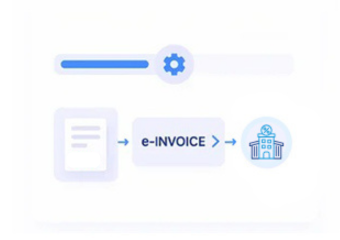
- Record Collection Process: Advintek gathers relevant Oracle E-Business Suite transaction information from established enterprise processes for invoice preparation.
- Data Preparation Stage: Selected ERP fields are organized into structured information required for Japanese e-invoice processing workflows.
- Validation Review Checks: Invoice information undergoes applicable checks for completeness, consistency, tax details, and required document attributes.
- Electronic Document Creation: Validated transaction information is transformed into structured electronic invoice documents for subsequent processing activities.
- Connected Workflow Processing: Prepared documents proceed through connected invoicing workflows while retaining relevant Oracle E-Business Suite references.
- ERP Record Synchronization: Processed invoice information can remain associated with originating ERP transactions for finance and audit activities.
Inside the Advintek Oracle E-Business Suite Connection
Advintek connects Oracle E-Business Suite information with Japan-focused invoice processing aligned with NTA requirements while preserving useful ERP relationships across transactions.
- Retrieve invoice information from enterprise transactions
- Identify relevant customer account references
- Apply Japanese invoice data requirements
- Validate tax-related transaction information
Practical Value for Oracle E-Business Suite Operations
- Faster Invoice Preparation: Automated data handling can reduce repeated entry when finance teams prepare electronic invoices from ERP transactions.
- Consistent Record Handling: Connected workflows help maintain consistent customer, transaction, tax, and document information throughout invoice processing.
- Centralized Invoice Visibility: Finance teams can work with invoice information connected to originating Oracle E-Business Suite records.
- Reduced Manual Rework: Validation and structured processing can identify incomplete information before invoices progress through subsequent workflow stages.
- Improved Financial Reconciliation: Connected transaction references can help teams compare invoiced activity with corresponding accounting and operational records.
- Scalable Invoice Processing: Organizations can support growing invoice volumes through repeatable workflows connected to established ERP operations.
Everything You Need for Japan E-Invoicing in One Place
Invoice Validation Tools
Structured checks help identify missing or inconsistent invoice information before electronic documents proceed through processing.
Japanese Tax Handling
Relevant Japanese consumption tax information can be incorporated into invoice preparation and document validation activities.
Structured Document Exchange
Structured invoice documents can move through connected electronic processing workflows using information sourced from Oracle.
For Oracle E-Business Suite Users
Organizations using Oracle E-Business Suite can connect established finance, sales, procurement, and accounting activities with Japanese electronic invoicing requirements through Advintek.
- Process invoices from multiple operating entities
- Coordinate billing across enterprise divisions
- Review invoice exceptions before final processing
- Maintain references across accounting transactions
Modernize Your Digital Invoice Operations
Connect Oracle E-Business Suite records with Japan invoicing workflows.
Start structured e-invoicing across your ERP operations.
Ready e-Invoice System
Frequently Asked Questions Oracle EBS E-Invoicing Japan
How can Oracle E-Business Suite sales orders support invoicing?
Sales order information within Oracle E-Business Suite can provide customer references, ordered items, quantities, pricing information, and transaction details used during billing. Advintek can connect relevant sales order information with Japanese e-invoicing workflows, allowing invoice documents to reflect established ERP transactions while reducing repeated manual preparation by finance teams.
What Oracle E-Business Suite records help identify taxable transactions?
Oracle E-Business Suite can contain transaction, customer, item, tax, and accounting information relevant to taxable sales and purchases. Advintek can use applicable ERP information during invoice preparation and validation, helping organizations coordinate consumption tax details with the underlying transaction before structured electronic invoice documents proceed through connected processing workflows.
Can Oracle E-Business Suite support invoice processing across legal entities?
Organizations operating multiple legal entities can maintain separate customer, supplier, accounting, and transaction records within Oracle E-Business Suite. Advintek can support applicable entity-specific invoicing workflows, helping businesses process documents according to the relevant operating structure while preserving references to the Oracle records associated with each transaction.
How can Oracle E-Business Suite purchase receipts assist invoice matching?
Purchase receipt information can provide evidence of received goods, quantities, suppliers, and related procurement activity within Oracle E-Business Suite. Advintek can connect applicable purchasing information with invoice workflows, helping finance teams compare supplier billing against recorded receipt activity before completing document processing and accounting reconciliation activities.
Can Oracle E-Business Suite support recurring customer billing?
Oracle E-Business Suite can maintain recurring billing information associated with customers, agreements, services, or scheduled transactions. Advintek can incorporate relevant recurring billing records into connected Japanese e-invoicing workflows, helping organizations generate structured invoice documents from established ERP information while maintaining appropriate customer and transaction references throughout processing.