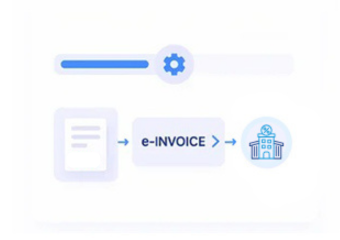


Compliance That Fits E-Freight ERP Users
eFreight ERP Workflow Across Japan Business Processes
- Freight Data Collection: Capture shipment, customer, billing, and operational information within configured eFreight ERP workflows for Japan-based freight operations.
- Business Rule Review: Check transaction details against defined business rules before invoices and financial records proceed through subsequent workflow stages.
- Invoice Preparation: Organize freight billing information into appropriate invoice structures based on configured processes and operational requirements.
- Workflow Coordination: Connect shipment, billing, accounting, and logistics activities through structured workflows that support consistent business processing.
- Record Management: Maintain invoices, transactions, shipment details, and related records within organized ERP structures for reporting, review, and business reference.
eFreight ERP Integration for Japan Operations
eFreight ERP integration Japan can connect freight management with surrounding business applications through configured data exchanges. The integration scope can include customer systems, commerce platforms, financial applications, warehouses, and logistics technologies.
- Exchange customer, sales, service, and operational data seamlessly.
- Connect orders, customers, products, and transaction information efficiently.
- Coordinate financial data exchanges with connected banking systems.
- Connect shipment, inventory, warehouse, and freight information.
Key Business Advantages of eFreight ERP in Japan
- Connected Business Operations: Coordinate freight, finance, inventory, purchasing, sales, and customer activities through connected eFreight ERP workflows.
- Efficient Freight Processing: Streamline repetitive billing, accounting, shipment, and administrative activities through structured digital workflows.
- Centralized Business Information: Keep financial, freight, customer, inventory, and operational data organized within one ERP environment.
- Improved Operational Visibility: Review reports and business information to understand freight activity, inventory movement, transactions, and workflows.
- Flexible Process Configuration: Configure modules, workflows, and integrations according to changing operational needs across Japanese organizations.
- Scalable Business Management: Support evolving freight and distribution operations with an adaptable ERP environment for expanding business processes.
eFreight ERP Services for Japan Businesses
Financial Management Japan
Manage accounting, receivables, payables, cash activities, and financial reporting workflows.
ERP Implementation Japan
Assess requirements, configure processes, prepare data, and support eFreight ERP deployment.
Integration Support Japan
Connect business applications and assist with eFreight ERP workflows and ongoing operations.
eFreight ERP Applications for Japanese Businesses
Freight and logistics organizations in Japan can use eFreight ERP to connect financial, shipment, inventory, distribution, purchasing, customer, and operational processes, supporting structured workflows and clearer business visibility across daily logistics activities.
- Manage accounting, billing, receivables, payables, and cash workflows.
- Coordinate shipments, inventory, purchasing, sales, and warehouse activities.
- Connect freight, supply chain, and operational processes.
- Manage projects, customers, services, and operational records.
Build Connected Logistics Workflows
Disconnected workflows can slow freight management, reporting, coordination, and data exchange.
Integrated with eFreight ERP. Delivered by Advintek in Japan.
Ready e-Invoice System
Frequently Asked Questions E-Freight ERP E-Invoicing Japan
What is eFreight ERP used for in Japan?
eFreight ERP can help Japan-based freight and logistics organizations manage connected financial, shipment, billing, inventory, distribution, purchasing, customer, and operational activities. Businesses can configure workflows around their processes while maintaining relevant transaction and operational information within a structured ERP environment.
How can eFreight ERP support freight billing operations?
eFreight ERP can organize freight billing information alongside shipment and operational data, helping teams establish structured billing workflows. Configured processes can support invoice preparation, transaction review, financial record management, and coordination between freight activities and accounting operations.
Can eFreight ERP connect with other business applications?
Yes, eFreight ERP can be configured to exchange relevant information with selected external applications. Integration requirements may involve CRM platforms, customer-facing systems, financial applications, warehouse technologies, or logistics solutions, depending on the organization’s operational processes and technical environment.
What does eFreight ERP implementation involve in Japan?
eFreight ERP implementation in Japan can include business requirements assessment, process planning, solution configuration, data preparation, integration planning, testing, and deployment. The implementation approach can be structured around the organization’s freight operations, financial workflows, connected systems, reporting needs, and future business requirements.
How can businesses get eFreight ERP support in Japan?
Businesses can seek eFreight ERP support for configured workflows, integrations, operational processes, financial activities, and ongoing system requirements. Advintek can assist organizations in Japan with consulting, implementation, integration, workflow-related needs, and continued ERP support based on their business environment.