

Compliance That Fits Oracle Users
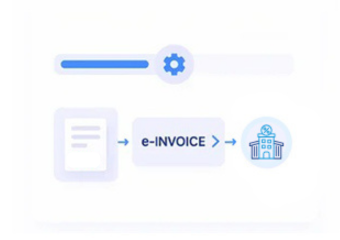
How Oracle Data Flows Through Advintek
- Oracle Record Collection: Relevant Oracle records are collected and prepared for structured Japanese electronic invoice processing workflows.
- Transaction Verification: Customer, supplier, tax, and transaction details are checked against originating Oracle records before processing begins.
- Document Structure Preparation: Invoice information is organized into structures suitable for supported Japanese electronic invoicing workflows and exchanges.
- Reference Association: Document references are associated with source Oracle transactions to preserve traceability across connected financial processes.
- Electronic Exchange: Prepared invoices can pass through supported exchange channels while processing activity remains visible for review.
- Processing Result Matching: Processing outcomes remain linked with Oracle records for reconciliation and continued financial oversight across operations.
How Advintek Processes Oracle Information
Advintek connects Oracle enterprise records with Japanese e-invoicing workflows, helping finance teams coordinate billing information while preserving relationships between operational transactions and financial documents.
- Transfer order data into invoice workflows
- Associate shipment records with billing documents
- Connect tax details with transaction records
- Route invoice outputs toward accounting processes
Practical Value for Oracle Operations
- Reduced Manual Transcription: Oracle information can flow into invoice preparation without repeated transcription across finance and accounting workflows.
- Consistent Invoice Information: Invoice fields remain aligned with originating transactions throughout document review and financial reconciliation activities.
- Traceable ERP Records: Source records stay associated with invoices, supporting verification during accounting and compliance checks across operations.
- Centralized Process Visibility: Finance teams gain organized visibility across invoice status, references, and processing information for ongoing oversight.
- Connected Business Functions: Connected workflows can support sales, purchasing, inventory, and financial activities managed through Oracle efficiently.
- Accessible Financial Documents: Processed documents remain accessible alongside ERP records for continued review and financial administration activities.
Core Tools for Japan E-Invoicing with Oracle
Invoice Review Tools
Review invoice fields before documents enter Japanese electronic invoicing and supported exchange workflows.
Status Monitoring Tools
Monitor document status, responses, and references across connected Oracle processing activities and financial records.
Data Coordination Tools
Coordinate structured invoice data across Oracle applications and Japanese compliance workflows for finance teams.
Oracle Operations Across Japanese Businesses
Organizations using Oracle can coordinate enterprise transactions with Japanese e-invoicing while maintaining relevant ERP references across purchasing, sales, inventory, receivables, and accounting activities.
- Coordinate contract data with customer invoices
- Match fulfillment records against billed quantities
- Consolidate subsidiary transactions for financial review
- Track invoice exceptions through ERP workflows
Strengthen Your Qualified Invoice Processing
Connect Oracle invoice data with Japan compliance workflows through Advintek.
Start structured e-invoicing with Advintek today.
Ready e-Invoice System
Frequently Asked Questions Oracle E-Invoicing Japan
Can Oracle recurring billing records support electronic invoicing?
Oracle recurring billing information can provide scheduled charges, customer references, service descriptions, and applicable billing conditions. Advintek can incorporate relevant recurring transaction data into Japanese e-invoicing workflows, helping organizations process repeat billing activities without manually rebuilding invoice information for each applicable customer transaction.
How are Oracle credit adjustments handled through e-invoicing?
Credit adjustments may reference original invoices, customer accounts, amounts, reasons, and related transaction information within Oracle. Advintek can process applicable adjustment data through connected Japanese e-invoicing workflows, helping businesses maintain relationships between original documents and subsequent corrections while supporting organized financial records.
Can Oracle support invoices between related business entities?
Oracle can contain intercompany transaction information covering related legal entities, internal customers, products, services, and corresponding financial entries. Advintek can accommodate applicable intercompany invoice workflows, helping organizations separate entity-level transactions while maintaining structured invoice information and relevant references throughout connected processing.
How can Oracle customer master records support e-invoicing?
Oracle customer master records can contain addresses, tax-related information, account identifiers, contact details, and commercial attributes. Advintek can use applicable master data during invoice preparation, reducing repeated manual entry and helping organizations maintain consistent customer information across connected Japanese electronic invoicing processes.
What happens when an Oracle invoice requires correction?
When invoice information requires correction, organizations may need to identify the affected document, determine the necessary adjustment, and preserve relevant transaction references. Advintek can support correction workflows using connected Oracle information, helping finance teams manage revised invoice data without losing the relationship to the original business transaction.